Bring Back the Groove with Kunhety, a Vintage Display Font
Sometimes, a design needs more than just clean lines and modern minimalism. It needs personality. It needs a voice that speaks of weekends spent at the flea market, the crackle of a vinyl record, or the bold graphics of a vintage movie poster. This is the space where the Kunhety display font thrives. It’s not just a collection of letters; it’s a stylistic shortcut to a specific, nostalgic era. For designers, marketers, and creators looking to inject a dose of retro charm into their work, Kunhety offers a direct and effective solution.
The Visual Soul of a Groovy Typeface
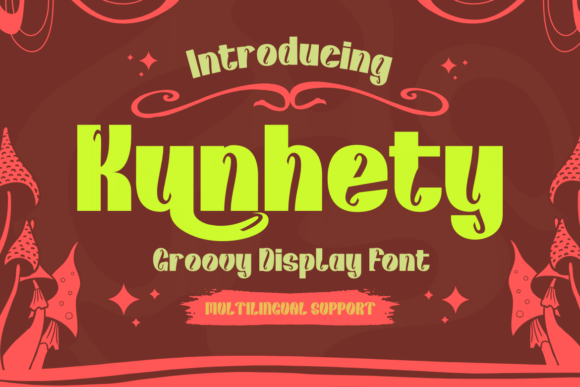
At its core, Kunhety is a premium font with a distinct personality. Its visual character is defined by bold, rounded forms and a subtle quirkiness that avoids feeling stiff or overly formal. Think of the playful lettering on 1970s album covers or the eye-catching titles on old science fiction paperbacks. The letterforms have a confident weight, making them ideal for headlines where you need immediate impact. Unlike a delicate script font or a neutral sans serif font, Kunhety is designed to be seen and to evoke a specific feeling of warmth and nostalgia.
This creative font is more than a one-trick pony, though. A key strength is its inclusion of alternative characters. This feature allows you to swap out certain letters for different stylistic versions, giving you more control over the final look. You can create a more customized logotype or headline by mixing and matching these alternates. Furthermore, its multilingual support ensures that its groovy vibe isn’t limited to English-language projects, making it a versatile tool for a global audience.
Where Kunhety Truly Shines: Practical Applications
Understanding a font’s personality is one thing; knowing where to apply it is what brings real value. Kunhety excels as a display font, meaning it’s crafted for larger sizes like titles, headers, and logos. Using it for long paragraphs of body copy would compromise readability, but in the right context, its impact is undeniable.
- Branding & Logo Design: For a brand that wants to communicate authenticity, craftsmanship, or a fun, approachable identity, Kunhety can be the cornerstone of its brand identity. Imagine it on the logo for a local coffee roaster, a vinyl record store, or a handmade craft business. It instantly tells a story.
- Poster & Album Cover Design: This is the font’s natural habitat. Its bold nature is perfect for editorial design and packaging design that needs to grab attention from a distance. A music festival poster, a gig flyer, or an indie album cover using Kunhety will feel instantly authentic.
- Digital & Social Media Graphics: In the fast-scrolling world of social media, a distinctive header can stop a user in their tracks. Use Kunhety for YouTube thumbnails, Instagram story highlights, or Pinterest pins to create a cohesive and memorable look that stands out from the crowd of generic web design fonts.
- Apparel & Merchandise: The retro aesthetic translates beautifully to physical products. T-shirts, tote bags, mugs, and stickers featuring a catchy phrase set in Kunhety can become bestsellers for small businesses and online stores.
Integrating Kunhety into Your Design Workflow
Choosing the right typeface is a critical decision that affects everything from readability to brand perception. Here’s how to approach working with a display font like Kunhety.
First, consider your project’s goals. Are you aiming for a playful, energetic vibe or a more grounded, nostalgic feel? Kunhety leans towards the former, making it a great fit for projects targeting a younger, creative audience or anyone with an appreciation for vintage style. Its strength lies in its ability to inject personality and create an emotional connection.
Next, think about font pairing. A strong display font rarely works alone. For body text, you’ll need a highly legible companion. A clean serif font can create a classic, sophisticated contrast, while a simple sans serif font will offer a modern, balanced counterpoint. The goal is to let Kunhety handle the headlines and personality, while your secondary font ensures clarity for longer text.
Always test your chosen design assets in context. Don’t just look at the font in a design tool’s preview. Mock it up on your intended medium—a phone screen, a printed flyer, or a t-shirt mockup. Check the readability of the alternative characters and ensure the overall tone matches your vision. Finally, if you’re using it for commercial work, review the licensing. A reputable commercial font like Kunhety will come with clear terms for its use across different projects, ensuring your work is both beautiful and legally sound.
Ultimately, Kunhety is a tool for storytelling. It doesn’t just display words; it frames them with a specific mood and history. By understanding its visual strengths and applying it thoughtfully, you can leverage this creative font to build more engaging, memorable, and effective designs that truly resonate with your audience.